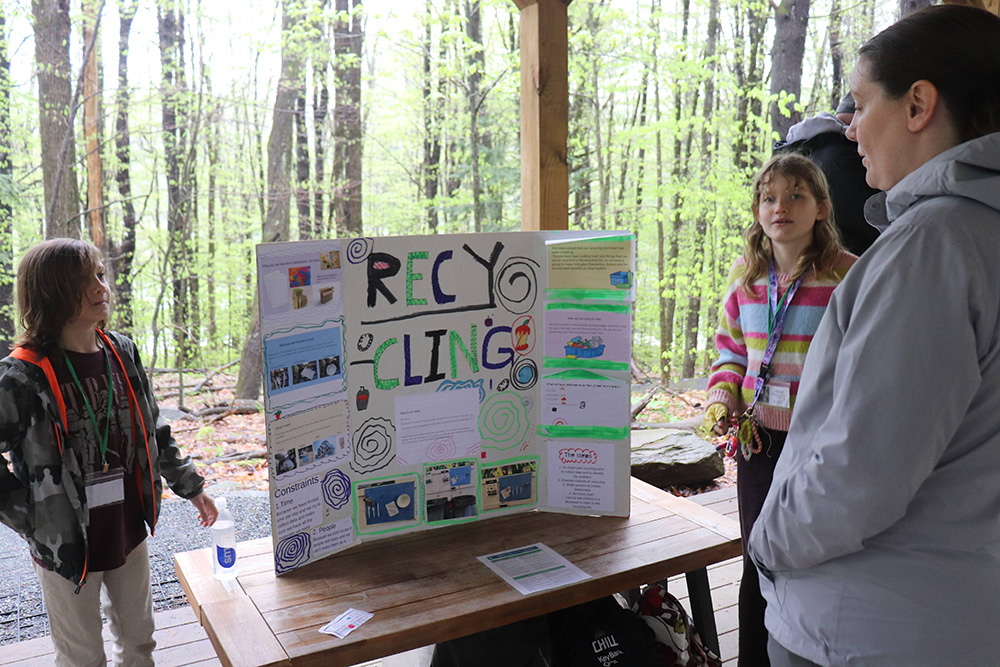
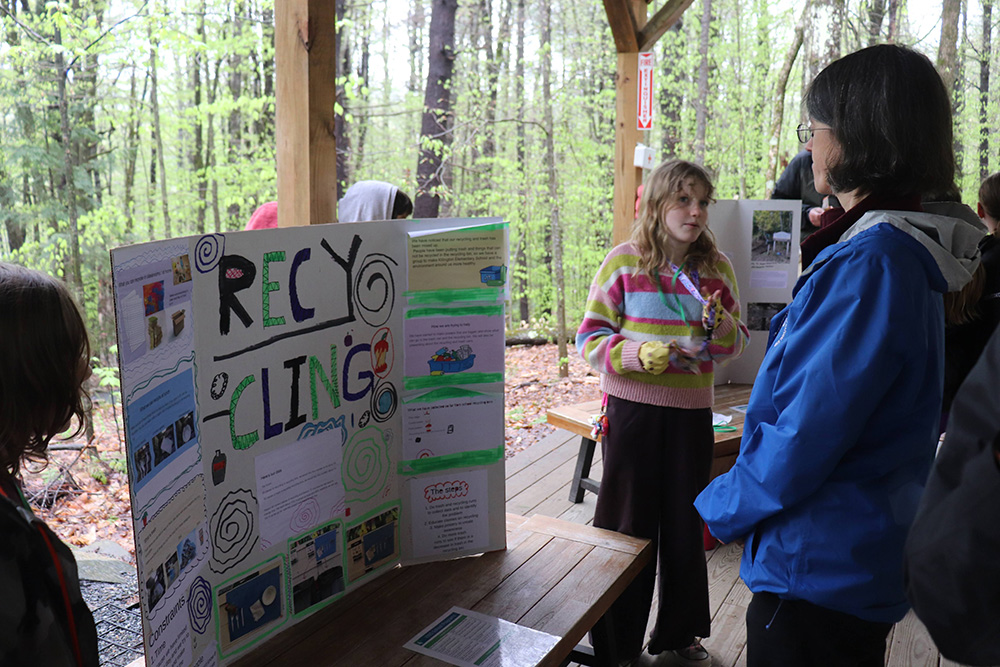
VINS Science Symposium 2025 Recap

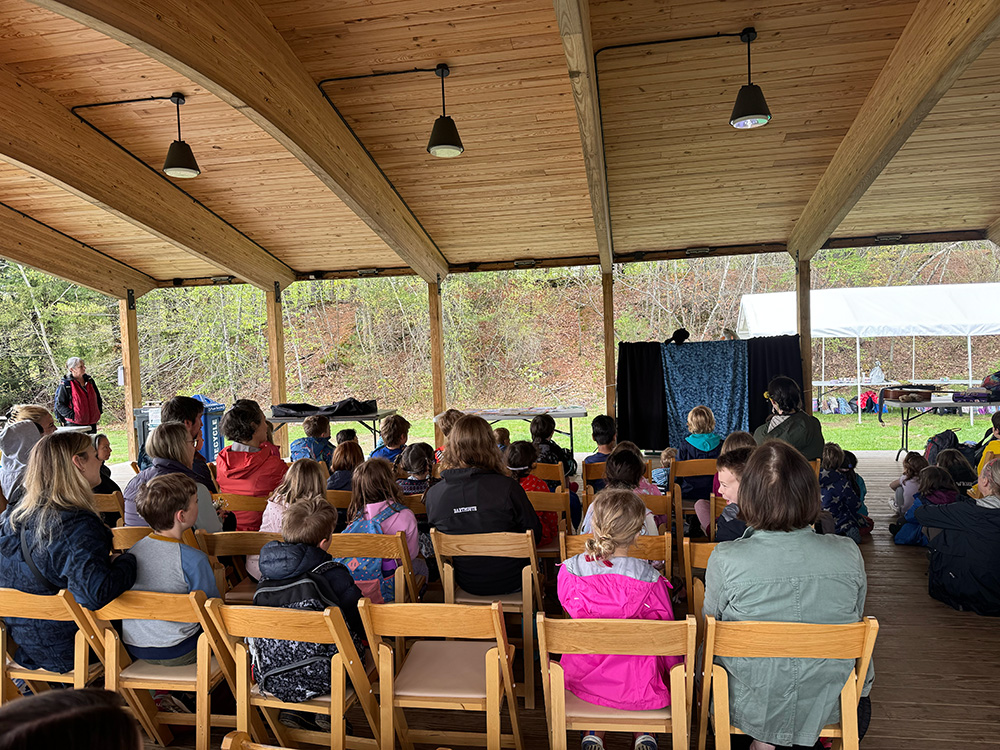
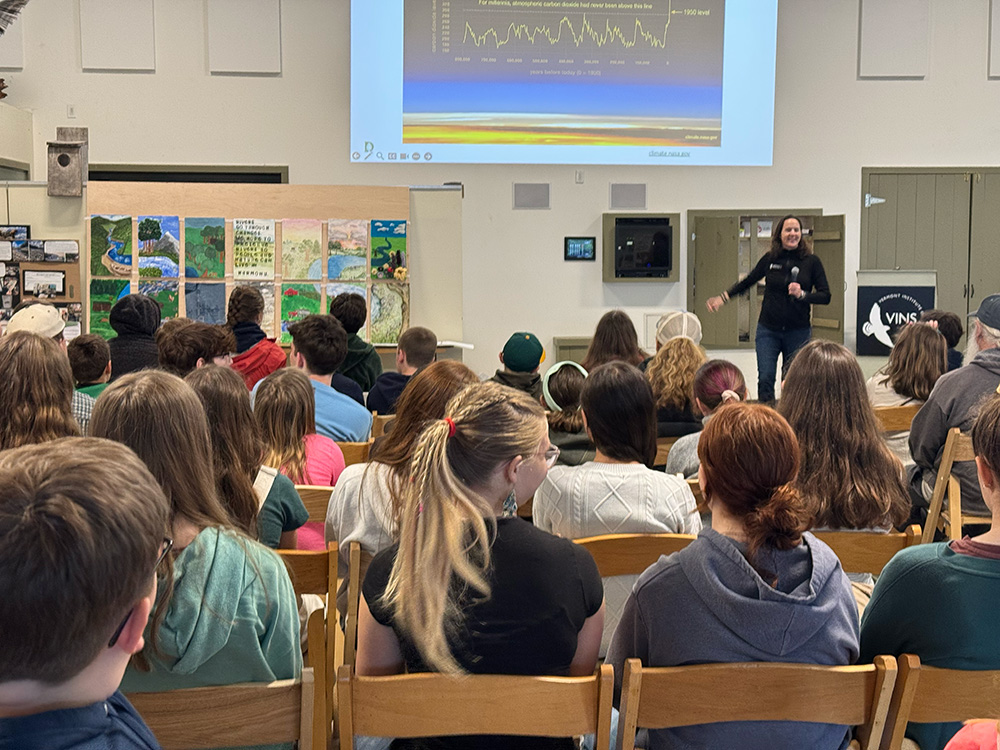
In May 2025, VINS hosted its 7th Annual Science Symposium — a dynamic three-day event that brought together 427 students, teachers, and parents from 11 local schools. Held on our beautiful campus, the symposium celebrated youth-driven climate action, hands-on learning, and community collaboration.
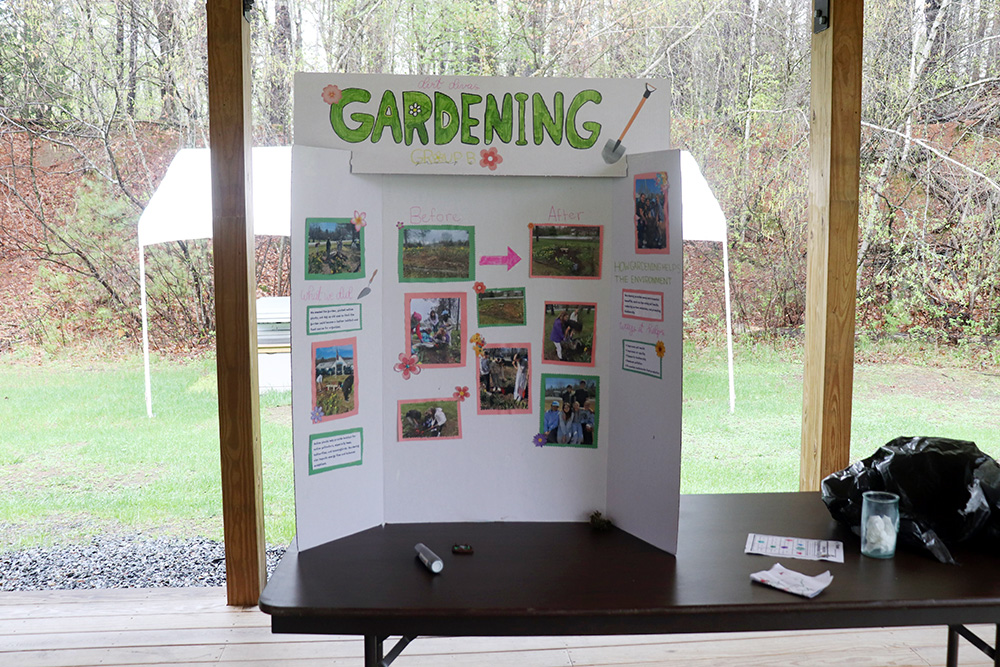
This year’s theme centered on student-led solutions to environmental challenges, with projects presented across three distinct tracks: Energy in the Ecosystem, Earth and Human Activity, and Life and the Atmosphere/Lithosphere.
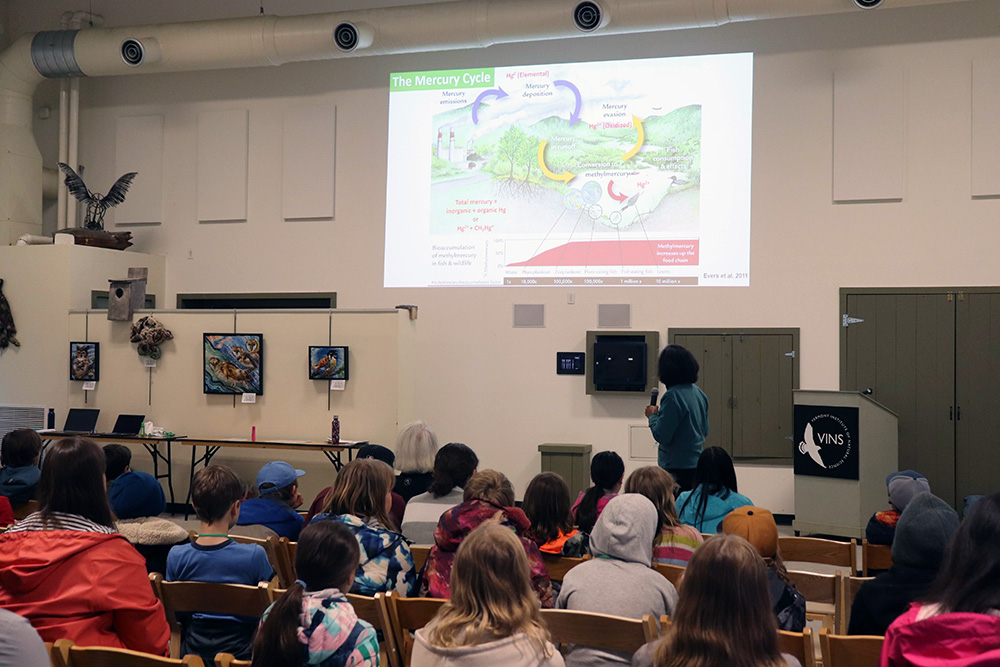
- Celia Chen, Research Professor, Dartmouth College
- Ryan Rebozo, Director of Conservation Science, Vermont Center for Ecostudies
- Rosalie Kerr, Director of Sustainability, Dartmouth College

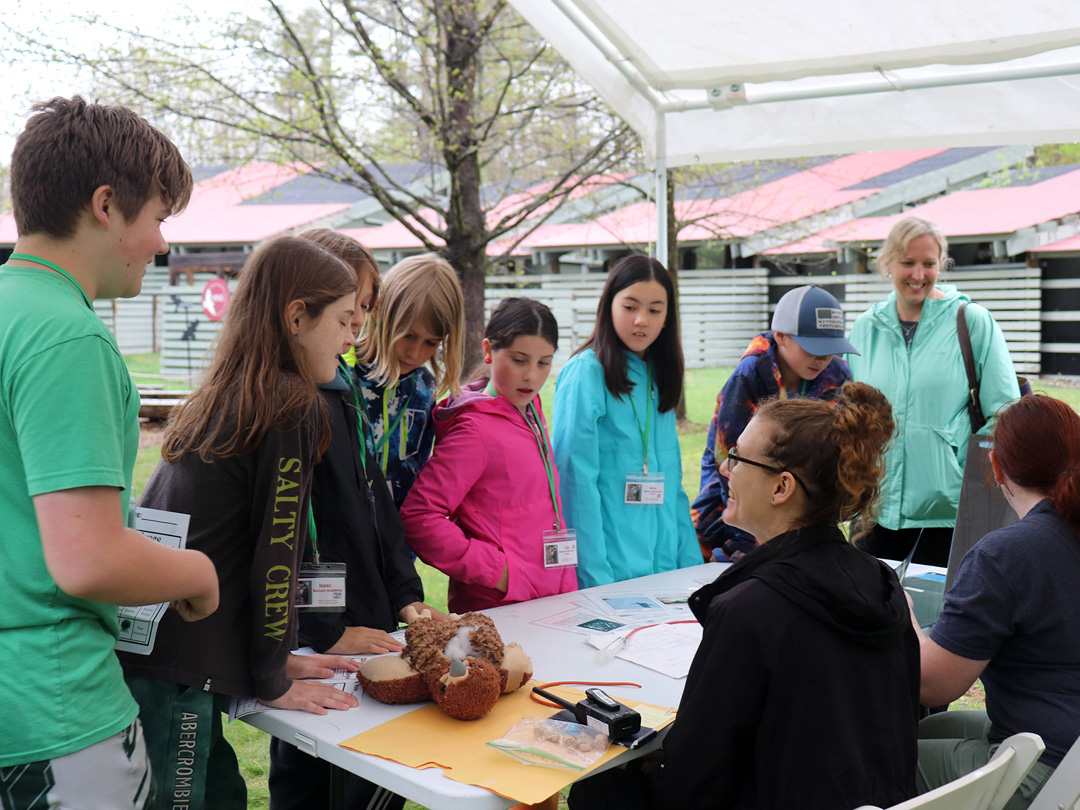
The 2025 Science Symposium was a powerful example of youth empowerment, experiential learning, and environmental leadership. Attendees left inspired to bring their science-based climate solutions back to their schools and communities – with renewed energy and purpose.
We are so proud of the work presented and grateful to everyone who participated. Stay tuned as these student-led ideas grow into long-term climate action across the region.
Energy in the Ecosystem
- Biodiversity conservation
- Invasive species management
- Habitat protection
- Sustainable food systems


Earth and Human Activity
- Solutions for extreme weather resilience
- Carbon footprint reduction strategies
- Plans for implementing renewable resources in schools and communities
Life and the Atmosphere/Lithosphere
- Community awareness campaigns
- Collaborative conservation plans